The five biggest organizational risks in a volunteer HOA board – and how to reduce them
Volunteer boards work under conditions that are both beautiful and challenging. Here, we take a closer look at the five biggest organizational risks and how to reduce them without panic, but with structure, clarity, and shared expectations.
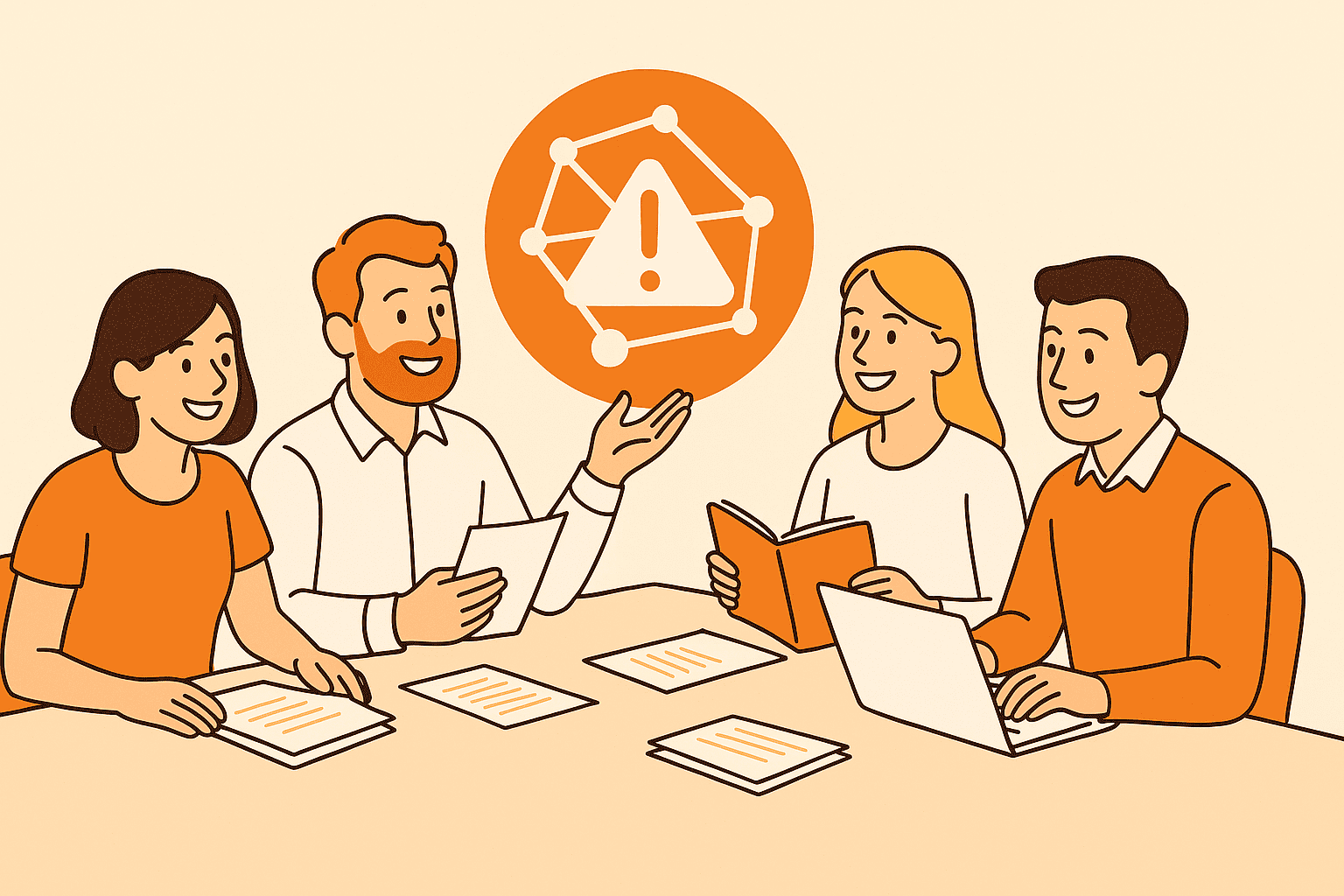
From the outside, board work in an HOA looks simple: you meet, make decisions, and handle practical tasks. Anyone who has actually served on a volunteer board knows the truth: things are a bit more… lively.
Not because of the people. But because of the organization. Volunteer boards operate in an environment where roles shift, expectations differ, history lives in people’s memories, and workflows develop organically.
That’s exactly why we talk about organizational risks. Not dramatic ones. Not legal ones. Just everyday friction points that can make board work harder — if they aren’t addressed.
Here are five of them. Because they’re all manageable.
Risk 1: Dependence on individuals (the hidden Achilles heel)
Most HOAs have that person who “just handles it.” It might be the Board President, the treasurer, or a dedicated member who simply knows everything.
And it works until they step down or move.
Suddenly the board is left without access to documents, without knowledge of where things are stored, and without context for old decisions.
Dependence on individuals develops slowly. No one plans it. It happens because the work is voluntary, and tasks naturally fall to the person who can and will take them on.
The solution isn’t spreading more responsibility around. It’s creating routines where knowledge is shared continuously and not only during a transition.
When documents, history, and procedures live in one place and not in one person, the board becomes stronger than any individual member.
It’s not about control. It’s about stability for the people serving now, and the ones who come after.
Risk 2: Unclear roles and authority (and everything people assume “everyone knows”)
One of the biggest sources of frustration in board work is unclear expectations about who does what.
Many boards continue doing things “the way we’ve always done them.” But that rarely means everyone agrees on what that method actually is.
There’s a big difference between routines and roles. And that difference matters.
When roles aren’t clear, small tensions show up:
- Someone feels they’re taking on too much
- Someone else feels overridden
- A third person is unsure what they’re allowed to decide
And in the middle of all this sits the formal framework of what the board can and cannot decide. Something most people don’t revisit until a disagreement forces them to.
Unclear roles lead to unclear decisions. Unclear decisions lead to unclear expectations. Unclear expectations lead to misunderstandings.
A simple expectations conversation early in the year works wonders. It doesn’t need to be formal — just a shared talk about roles, responsibilities, and how you want to work together.
It is, quite possibly, the most underrated tool in an HOA board.
Risk 3: Conflict in the board (usually misunderstandings in disguise)
When things run smoothly, the board feels like a small team. When things don’t, misunderstandings grow like weeds.
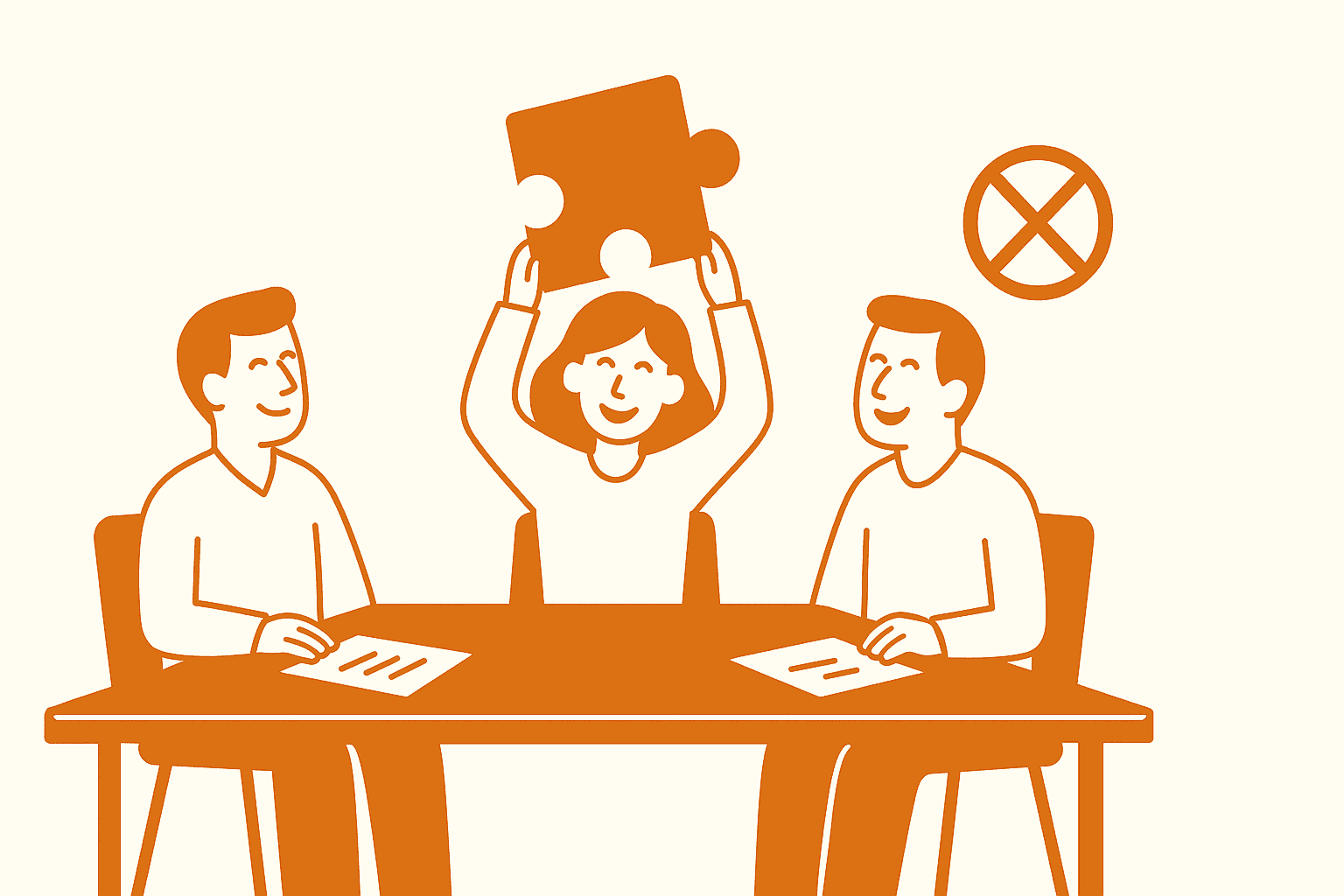
Here’s the important truth: Most “conflicts” in volunteer boards aren’t conflicts at all. They’re misunderstandings.
It might be:
- Different interpretations of an old decision
- Different expectations of time commitment
- Different ideas of “normal practice”
- Different memories of what was said at a meeting years ago
And it makes perfect sense. Board work is built on volunteer effort, relationships, and everyday communication — not contracts and procedures.
Reducing conflict isn’t about agreeing on everything. It’s about agreeing on how you communicate — and how you document decisions.
When you do that, many conflicts disappear before they begin.
Risk 4: Lack of documentation (the greatest gift to the future)
Documentation may sound boring, but it is one of the board’s strongest defenses against chaos.
When decisions aren’t written down, they turn into oral stories that evolve over time. The new board tries to reconstruct the past. Usually without success.
Lack of documentation hurts especially when the board needs to:
- understand old decisions
- revisit previous agreements
- act on established practices
- explain to residents why something is the way it is
Many people assume documentation must be formal or complex. In practice, just a few things make a huge difference:
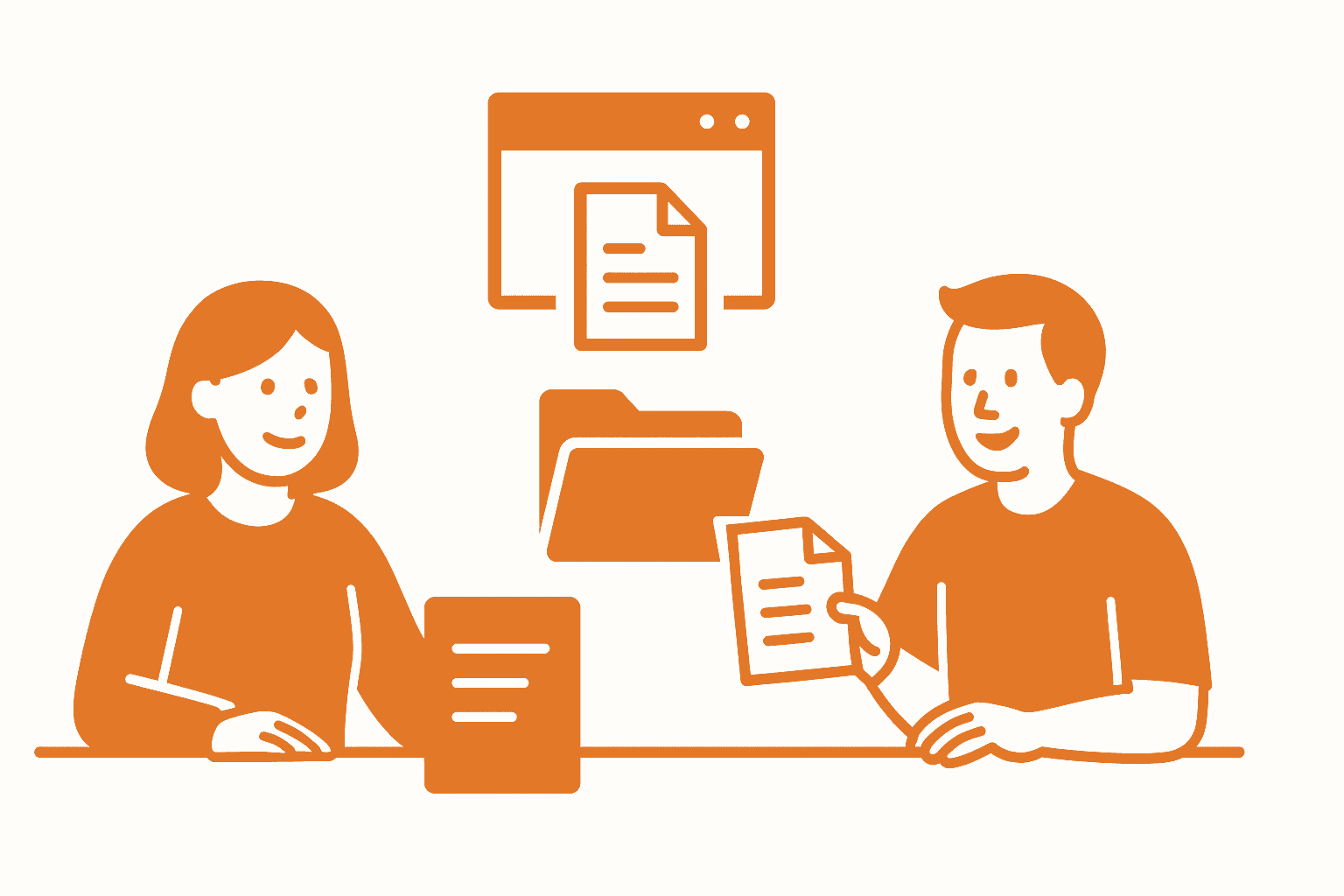
A clear set of minutes. A short explanation of why the decision was made. A single folder for all documents. A routine that keeps materials out of private emails.
When documents are shared, history becomes shared too. That gives new members confidence and current members peace of mind.
Risk 5: Loss of continuity during board transitions
Board transitions are a natural part of community life. But they also reveal the HOA’s vulnerabilities.
Transitions often happen in a flash: a handshake, a “I’ll send you everything later,” and suddenly the new board is in charge.
But a transition isn’t an event. It’s a process.
It begins long before the election in how the board documents, works, and shares knowledge. And it continues long after, as the new board steps into their role without needing to guess.
Boards often underestimate how important continuity is. When someone steps down, the HOA doesn’t just lose technical knowledge. It loses context, relationships, and the quiet understanding that only comes from being part of the process.
Continuity isn’t a personal task. It’s an organizational one.
How to reduce these risks without making the work heavier
The solution isn’t complicated plans or advanced systems. It’s making the work easier to share.
In practice, that means: Be aware of dependence on individuals and reduce it before it becomes a problem. Talk about roles before they create friction. Treat misunderstandings as misunderstandings — not conflicts. Document the essentials so history doesn’t have to be reconstructed. See transitions as something supported throughout the year, not just on one day.
When a board leans into these principles, it isn’t just creating structure. It’s creating confidence which is the foundation of any healthy volunteer team.
FAQ
- What is the biggest organizational risk in a volunteer HOA board? Dependence on individuals. When knowledge lives with one person, the board becomes vulnerable. The solution is simple, ongoing knowledge sharing and basic documentation.
- Why do conflicts arise in HOA boards? Often because expectations were never aligned. Most conflicts are misunderstandings, not disagreements. A clear expectations conversation early in the year makes a huge difference.
- How do you document without creating more work? By focusing on the essentials: decisions, reasoning, and access to materials. Documentation isn’t about detail. It’s about continuity.
- How do you ensure a smooth board transition? By treating transitions as an ongoing process. When documents and workflows are shared, the transition itself becomes simple, fast, and free of drama.