Knowledge loss in the board: How to avoid starting from scratch every time
When board members resign or move away, important knowledge often disappears with them. This creates uncertainty, misunderstandings, and friction. In this article, we explore why it happens and how both new and current board members can create continuity without making the work heavier.

Board work in small HOAs is built on something beautiful: volunteer effort. It’s goodwill, engagement, and a desire to support the community. But volunteer work has a downside that many boards only notice when it’s too late:
When a board member leaves, knowledge walks out the door with them. Sometimes quietly. Sometimes dramatically.
Not because people want to hide anything. But because knowledge lives in people’s heads, in old emails, in routines no one ever wrote down — and in the unwritten rules of “how we usually do things.”
The result? The new board isn’t just starting a new year. They’re starting over.
This article explains why it happens and how both new and experienced board members can build continuity, calm, and clarity — without adding more work.
Why knowledge disappears — the human explanation
It’s easy to assume knowledge disappears because systems are missing. That’s only half the truth. The other half is about people.
Here are the most common reasons:
- Board work is voluntary extra work. Few people document what they do. Not because they don’t want to — but because they’re busy and solve tasks as they go. This makes the work dependent on individuals.
- Knowledge lives with the person, not the HOA. You “learn” board work by doing it. That means practical tricks, routines, and experience are stored in the individual — not the community.
- When someone moves out, everything drops at once. A board member who moves is busy packing their home — not their knowledge. This is where the biggest losses happen.
- In small HOAs, history quickly becomes oral tradition. How was a decision made? Who argued for what? Why did the board choose that option and not another? Much of this lives in personal memories, not documents.
The good news? Nothing is “wrong.” The board just needs a few new habits.
The organizational challenge: Who actually knows what?
Even in well-run HOAs, the pattern is usually the same:
- No one knows exactly where everything is stored
- Some documents are buried in email threads
- Some live in personal cloud folders
- Some only exist on paper
- Some were saved “somewhere” by a previous treasurer
- Some exist only in the mind of someone who is no longer on the board
It’s common to hear:
“Does anyone have access to the website?”
“How did we handle this last year?”
“Where are the minutes stored?”
“What did we actually decide back then about…?”
These questions are normal — but they cost time and create uncertainty.
When responsibilities are unclear and knowledge isn’t shared, transitions become slow, confusing, and stressful.
Meeting history creates more conflict than people expect
One of your key points is also one of the most overlooked:
The history of past meetings and past practices follows the HOA for years. And when that history isn’t documented, conflicts arise.
It often shows up like this:
- A new board changes a practice others assumed was “official policy”
- An old promise or idea resurfaces — but no one remembers the details
- Residents say: “The previous board promised us this!”
- The reasoning behind past decisions is gone, leaving today’s board without direction
Uncertainty creates insecurity. Insecurity creates conflict. Conflict creates extra work.
It’s natural — but avoidable.
Powers, roles, and responsibility — one of the most overlooked areas
A large amount of knowledge lives inside something people rarely talk about:
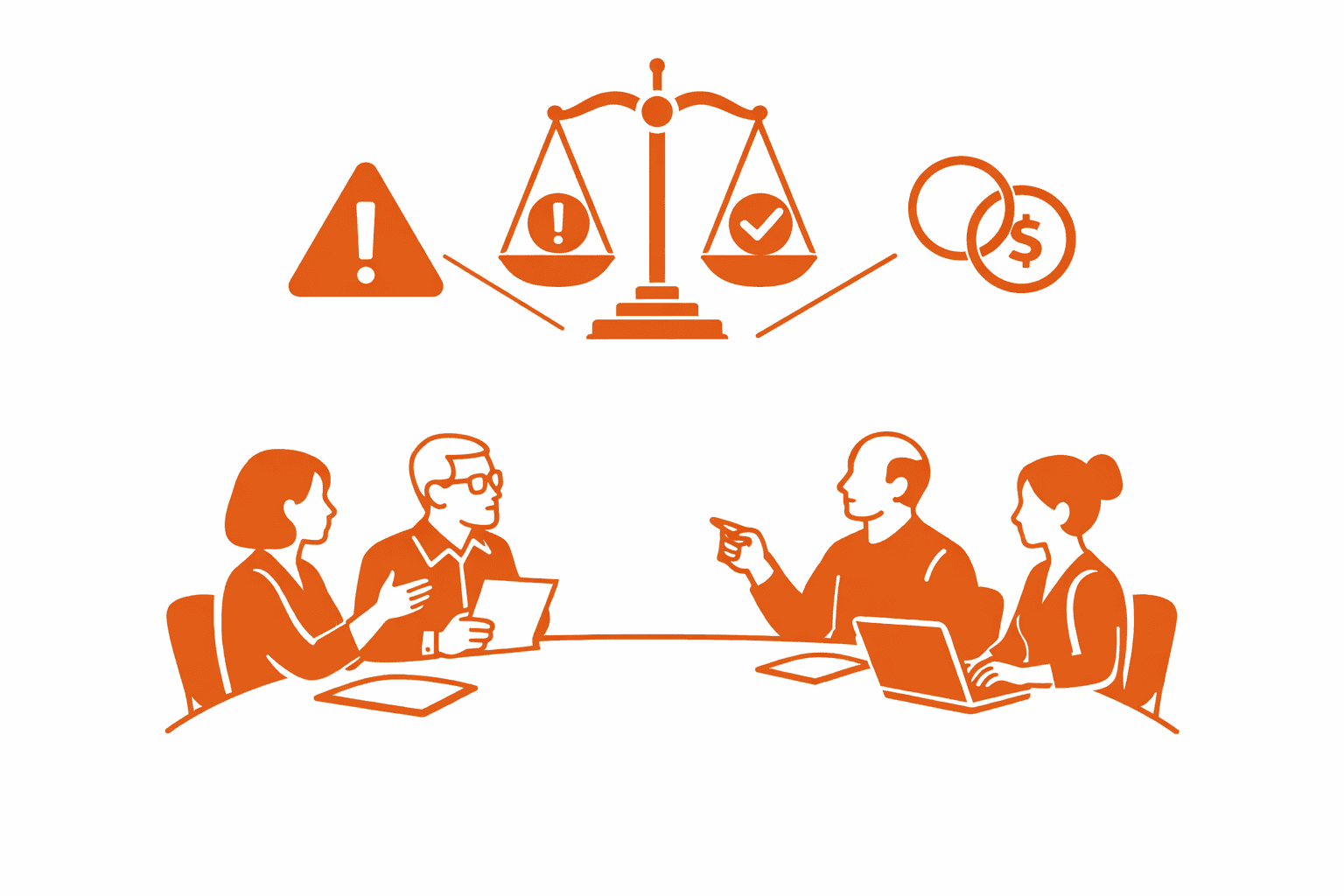
What authority does the board actually have? What can it decide on its own? What requires a member vote? The issue isn’t the legal details — it’s the clarity.
When roles aren’t well understood, three things happen:
- The board becomes unsure of what they are allowed to decide
- Residents grow uncertain about what to expect
- New board members feel overwhelmed by responsibilities that weren’t explained
Knowledge about roles is not just practical. It’s psychological. It gives everyone a sense of stability.
And without that knowledge, every transition feels like a reset.
The digital side — important, but not everything
Digital structure helps the board:
- store documents in one place
- manage access to tools and accounts
- preserve decision history
- give new members a fast start
- avoid dependence on individuals
It doesn’t solve everything. But it makes everything easier.
Especially during mid-term changes or when several members join at once.
Digital structure isn’t about technology. It’s about making sure the next person doesn’t need to guess.
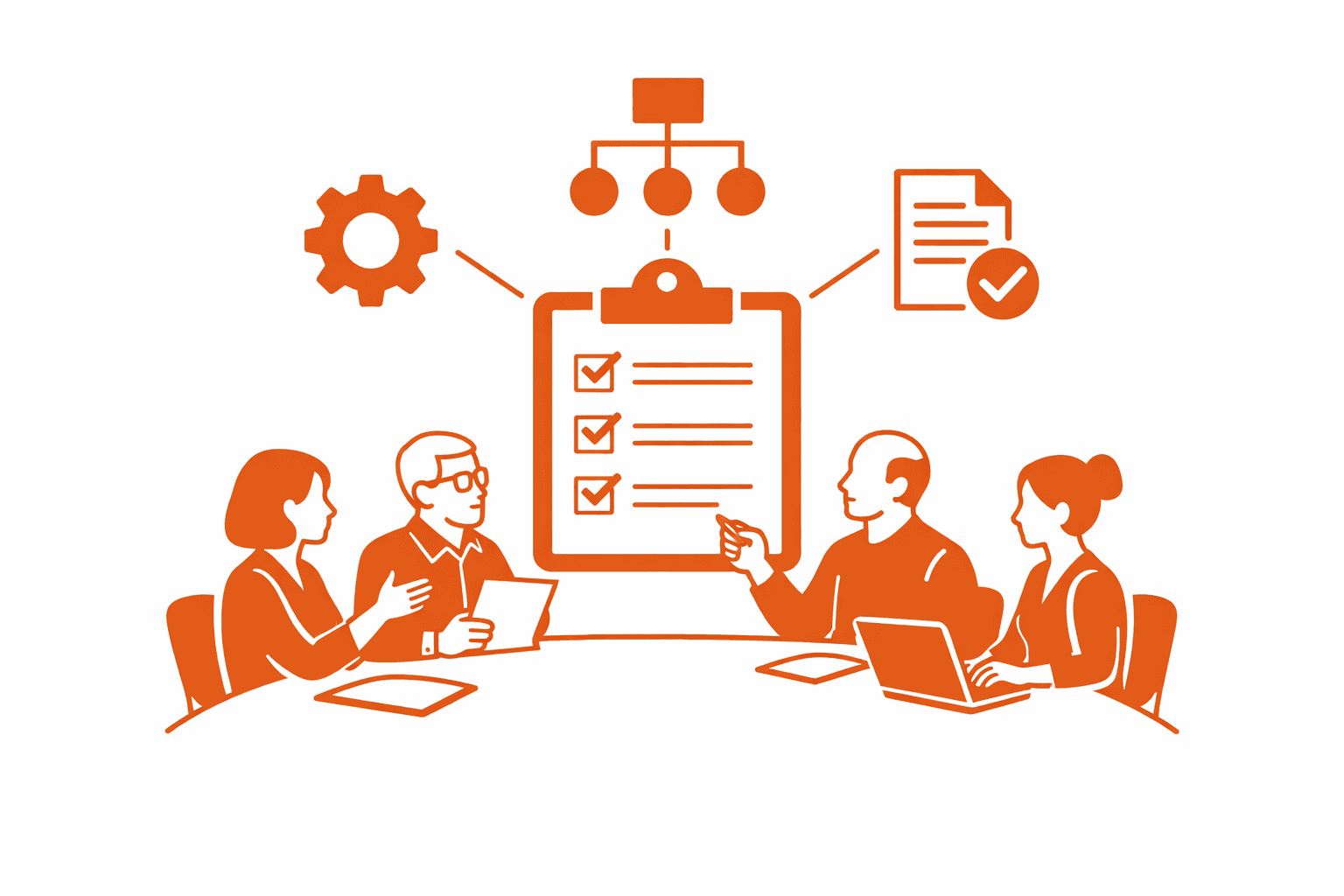
The three types of knowledge the board must protect
- Practical knowledge: It’s not glamorous but it’s critical.
- Logins
- Access
- Where things are stored.
- Process knowledge: How things are actually done.
- How to set up the annual meeting.
- How communication is handled.
- Where minutes are stored.
- This is the HOA’s “manual.”
- Decision knowledge: This knowledge is often more important than the decision itself.
- Why did the board choose this option?
- What were the arguments?
- What was the context?
Without it, future decisions become slower and more stressful.
How to avoid starting over every year
Here comes the thought-leadership part — without tech and without selling anything.
- One shared place for all board material. Not five places. One.
- A clear transition process. Two hours. Fixed steps. One conversation.
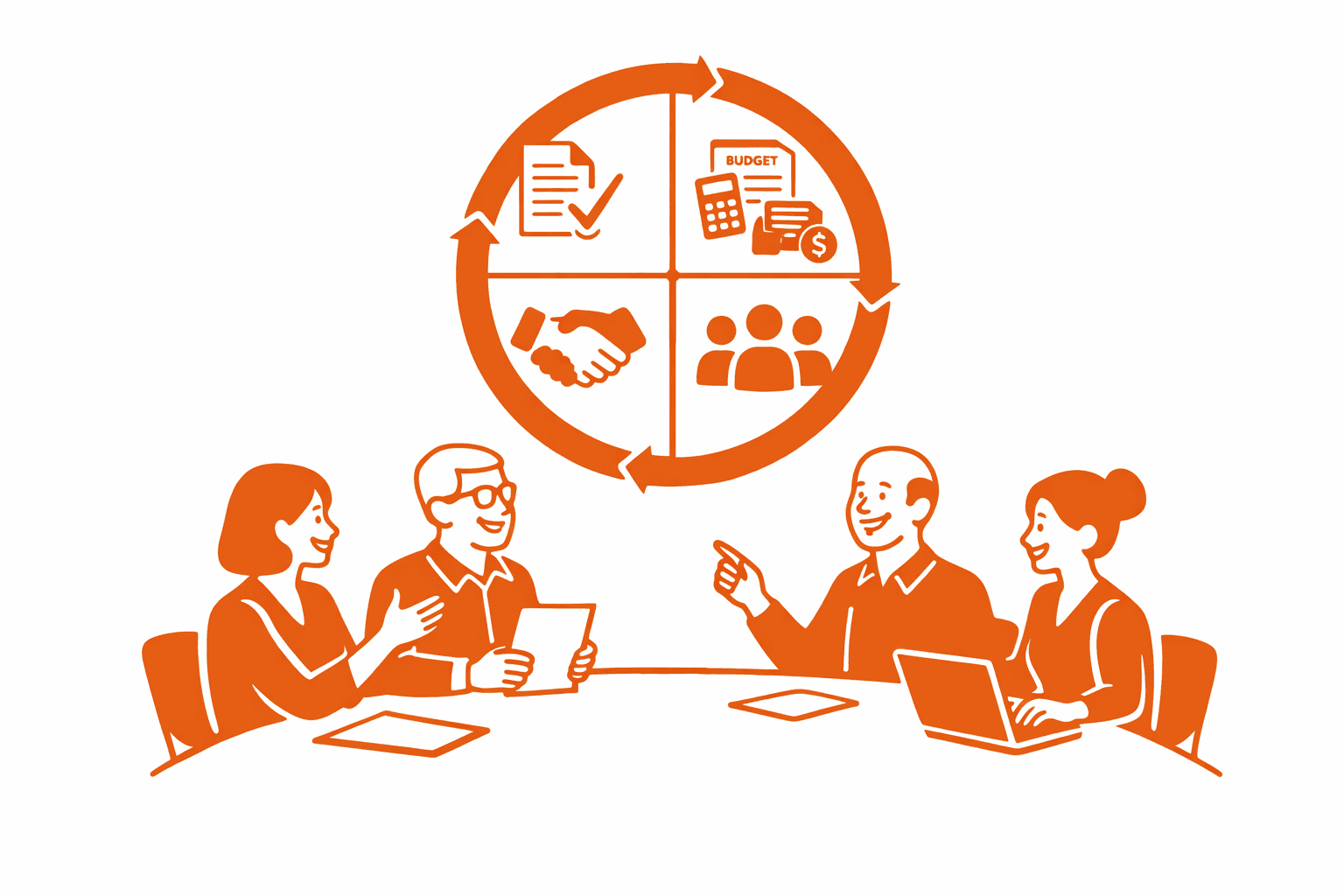
- An annual work cycle. A yearly rhythm makes the work predictable.
- A habit of sharing knowledge before leaving the board. Not a burden — a mindset.
- A shared understanding that method matters more than personality. The HOA must be able to continue — no matter who sits in the chair
- A short summary after each annual meeting. Not just the decisions. The reasoning behind them.
None of this is heavy work. It’s just about doing things simply.
The gentle truth: Boards restart when knowledge isn’t shared
Here’s the encouraging part. Boards that start sharing knowledge openly and consistently experience:
- less stress
- faster transitions
- fewer conflicts
- better cooperation between outgoing and incoming members
- more confidence from residents
Knowledge isn’t heavy. It’s just unevenly distributed.
When you make it shared, the board becomes stronger. Without adding more work.
FAQ about knowledge loss in HOA boards
- Why is knowledge loss so common in small HOA boards? Because the work is voluntary and person-based. When someone leaves or moves out, their way of handling tasks disappears unless it was documented.
- What type of knowledge is most important to pass on? Practical knowledge (access), process knowledge (how things are done), and decision knowledge (why decisions were made). All three ensure continuity.
- How do you avoid conflicts during board transitions? By documenting history, decision reasoning, and roles. Uncertainty about the past is one of the biggest sources of misunderstandings.
- Does digitalization help prevent knowledge loss? Yes, to a degree. Not by itself — but digital structure makes it possible to gather information in one place so everyone can understand, use, and build on it.